Land clearing is the process of removing trees, vegetation, stumps, and debris to prepare a site for construction, agriculture, or other land uses. Whether for residential development, commercial projects, or fire prevention, tree removal is a key part of clearing land efficiently and safely.
At Tree Problem No Problem, we offer tree removal and land and acreage clearing across the Redlands, and if council approval is needed we advise you during the quote. This guide will explain what land clearing involves, why it’s necessary, and how to do it safely and effectively.
What Does Land Clearing Involve?
Land clearing is more than just cutting down trees—it requires a strategic approach to ensure that the land is cleared safely, efficiently, and in compliance with local laws. The process typically includes:
- Assessing the site to identify tree species, environmental considerations, and potential hazards.
- Obtaining permits if required, as some areas have restrictions on tree removal.
- Tree removal and stump grinding to clear space for development while minimising regrowth.
- Disposal or repurposing of debris, such as mulching or recycling felled trees.
- Land grading and preparation to ensure a stable surface for construction or landscaping.
- Clearing land the right way ensures that surrounding trees and ecosystems are protected, while also preventing potential hazards such as unstable trees, soil erosion, or fire risks.
Why is Tree Removal Important in Land Clearing?
1. Preparing Land for Development
One of the most common reasons for tree removal in land clearing is to make way for construction and infrastructure projects. Whether you are building a new home, commercial development, road, or agricultural field, trees and their root systems can pose obstacles that need to be cleared to create a stable foundation.
Without proper tree removal, construction sites may face issues such as uneven ground, underground root interference, and restricted access for heavy machinery. Additionally, trees left too close to a structure can later pose risks of falling branches or root damage to the foundation. Removing trees during land clearing ensures that the site is properly prepared for long-term stability and usability.
2. Eliminating Hazardous Trees
Not all trees on a property are healthy and structurally sound. Many trees become hazardous due to disease, decay, storm damage, or structural weakness, increasing the risk of branches falling or entire trees collapsing.
Hazardous trees near homes, roads, power lines, or commercial buildings can cause significant property damage, personal injury, and even fatalities if they fall unexpectedly. Removing trees that show signs of rot, dead branches, leaning trunks, or pest infestations is crucial for preventing accidents and ensuring a safer environment.
Professional tree removal experts can assess a property for unstable trees and safely remove them as part of the land clearing process. This eliminates potential hazards before they become dangerous, reducing liability risks for property owners.
3. Reducing Fire Hazards
Overgrown trees, dry vegetation, and fallen branches increase the risk of bushfires, especially in hot and dry climates. Areas with dense tree coverage and excessive underbrush provide fuel for wildfires, making them more difficult to control once they ignite.
Strategic tree removal is an essential part of fire prevention planning, particularly in high-risk bushfire zones. By clearing out dead trees, dry leaves, and low-hanging branches, property owners can reduce fire fuel loads and create a defensible space around homes and buildings.
Additionally, some properties are required to follow firebreak regulations, which involve clearing a specific perimeter of trees and vegetation to prevent fires from spreading rapidly. Removing trees as part of land clearing can significantly lower fire risks and improve overall property safety. Check with your council before clearing for fire safety, as approval may still be needed.
4. Preventing Root Damage to Infrastructure
While trees add beauty and shade to a landscape, their roots can become a serious problem when they grow too close to buildings, roads, and underground utilities. Tree roots naturally spread out in search of water and nutrients, but in the process, they can disrupt plumbing systems, crack footpaths, damage driveways, and even weaken the foundations of homes and commercial structures.
Large tree roots can also cause drainage issues, leading to water pooling and erosion around a property. In some cases, tree roots invade sewer lines and underground pipes, causing blockages and expensive plumbing repairs.
Removing problematic trees during land clearing helps prevent future structural damage and costly maintenance issues. It is particularly important for new construction projects, underground utility installations, and properties prone to drainage problems.
5. Enhancing Land Use and Aesthetics
Unmanaged trees, overgrown vegetation, and thick underbrush can limit access to land and make it difficult to use the space effectively. Whether you are planning a landscaping project, agricultural expansion, or recreational development, excess trees can restrict movement, block visibility, and reduce overall usability.
Clearing selected trees opens up the land, making it more functional for gardens, pastures, roads, driveways, and new construction projects. It also enhances the visual appeal of a property, improving kerb appeal and increasing property value.
In some cases, tree removal is done to improve safety and visibility along roads, walkways, and driveways. Overgrown trees near intersections or property entrances can create blind spots for drivers and pedestrians, increasing the risk of accidents. Removing these trees helps improve line of sight and accessibility while still allowing for strategic landscaping.
Methods of Tree Removal in Land Clearing
1. Manual Tree Removal
Using chainsaws and hand tools, arborists carefully remove trees in smaller-scale projects or areas where machinery cannot be used. This method is best for selective tree removal in residential settings.
2. Mechanical Tree Removal
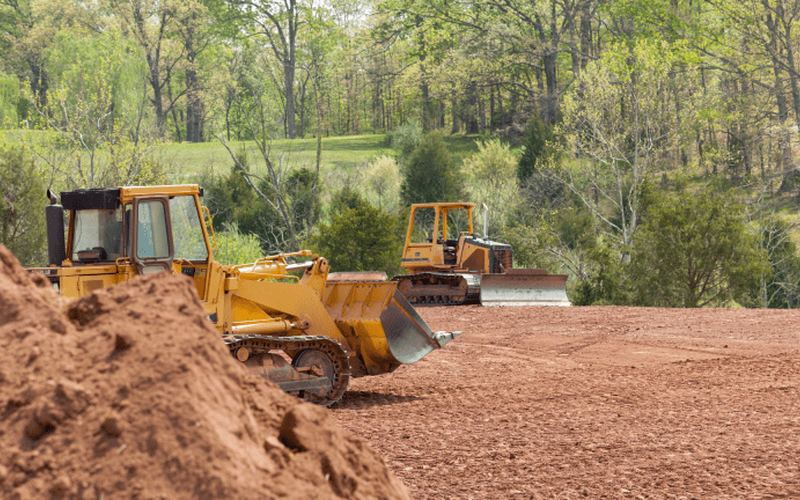
For large-scale clearing, excavators, bulldozers, and forestry mulchers are used to quickly remove multiple trees and stumps. This method is ideal for construction sites, roads, and large land development projects.
3. Stump Grinding and Removal
After cutting down trees, stumps must be removed to prevent regrowth and create a level surface. Stump grinding machines break down stumps into mulch, making the area ready for development or landscaping.
4. Controlled Burning
In some cases, controlled burning is used to clear land efficiently, particularly for agricultural and fire management purposes. This method is tightly regulated and usually needs permits, so check with your council first. It is not something to attempt yourself.
5. Mulching and Chipping
Instead of removing trees completely, forestry mulchers grind trees and vegetation into wood chips, which can be reused for soil enrichment and erosion control.
Environmental and Legal Considerations
- Check with local councils to determine if permits are required for tree removal.
- Follow protected vegetation guidelines to ensure compliance with environmental laws.
- Implement erosion control measures to prevent soil degradation.
- Dispose of tree debris responsibly through recycling, mulching, or approved waste removal.
- At Tree Problem No Problem, if council approval is required we advise you during the quote and can handle the approval from council.
When Should You Hire a Professional for Tree Removal?
While small-scale tree removal can be done independently, hiring a professional is essential for larger or complex projects. A tree removal expert can:
- Safely remove large or hazardous trees without damaging nearby structures.
- Use specialised equipment for efficient clearing and debris removal.
- Ensure compliance with environmental and safety regulations.
- Provide stump grinding and site preparation for a clean, usable space.
- Professional tree removal ensures that land clearing is done right the first time, avoiding costly mistakes or legal issues.
Land clearing is a crucial step in preparing a property for construction, agriculture, and fire prevention, with tree removal playing a major role in ensuring safety and efficiency. Whether you need selective tree removal or large-scale land clearing, it’s important to follow best practices and comply with local regulations. At Tree Problem No Problem, we offer expert tree removal and land clearing services to help you clear land safely, efficiently, and in compliance with all regulations. Contact us today to discuss your project and get a professional solution tailored to your needs.