Brisbane’s subtropical climate presents unique challenges for maintaining healthy trees. With hot, humid summers, mild winters, and periods of heavy rainfall, it’s crucial to understand how to care for your trees to ensure they thrive in these conditions.
1. Choose the Right Trees for Brisbane
- Selecting tree species that are well-suited to Brisbane’s subtropical climate is the first step to ensuring their health.
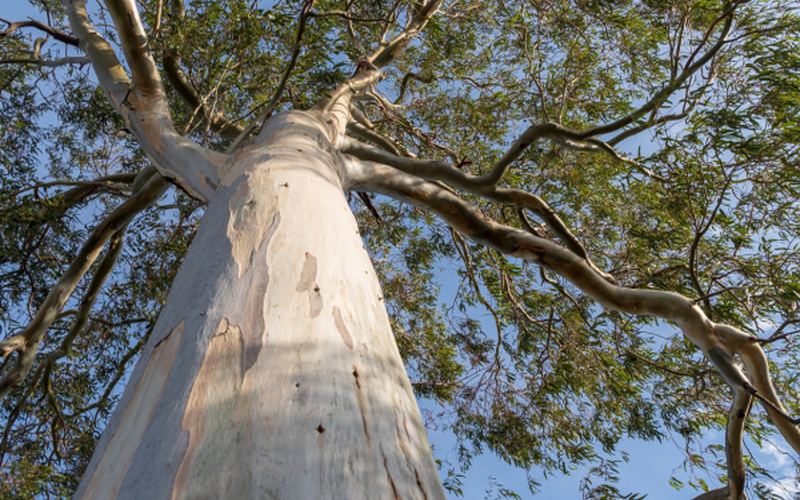
- Native species such as eucalyptus, moreton bay fig and bottlebrush trees are often some of the best choices as they are adapted to local conditions.
- Choosing native trees also reduces the need for intensive care and helps your garden harmonise with the local ecosystem.
2. Planting for Success
- Select a spot with enough space for the tree’s mature size. Ensure the area has good drainage, as Brisbane’s heavy rains can lead to waterlogged soil.
- Dig a hole twice as wide as the root ball but no deeper. The tree should be planted with the top of the root ball level with the ground.
- Apply a layer of mulch around the base of the tree, but keep it away from the trunk. Mulch helps retain moisture and suppress weeds, which is particularly beneficial during Brisbane’s hot summers.
3. Watering: Adapting to Brisbane’s Climate
- Water newly planted trees regularly to help establish roots, especially during the first two years. Deep watering is preferable, as it encourages roots to grow deep into the soil.
- Established trees are generally more drought-tolerant, but during dry spells, deep watering every few weeks can help them stay healthy.
- During Brisbane’s wet season, reduce watering to prevent waterlogging, which can lead to root rot.
- Using a drip irrigation system can help maintain consistent moisture levels, particularly in the dry months.
4. Pruning for Health and Aesthetics
- Regular pruning is essential to maintain the health and appearance of your trees.
- Pruning away dead or damaged branches prevents the spread of disease and reduces the risk of falling limbs during storms.
- Prune young trees to develop a strong structure that can withstand Brisbane’s occasional storms and high winds.
- The best time to prune most trees in Brisbane is during late winter or early spring.
- However, after the wet season, consider pruning to remove any storm-damaged branches.
- Always use clean, sharp tools to make precise cuts and minimise damage to the tree.
5. Fertilising: Nourishing Your Trees
- Test your soil before fertilising to determine its nutrient levels and avoid over-fertilisation.
- Use organic fertilisers like compost or well-rotted manure to enrich the soil naturally.
- Fertilise during the growing season, which in Brisbane is typically spring and early summer, to support healthy growth.
- Be cautious with fertilisation, as over-fertilising can lead to excessive growth, making trees more vulnerable to pests and diseases.
6. Protecting Trees from Pests and Diseases
- Brisbane’s warm, humid climate can encourage various pests such as borers and beetles that can tunnel into the wood, weakening the tree.
- Wet and humid conditions can also lead to fungal infections such as root rot and leaf spot.
- Some animals such as possums may damage trees by feeding on leaves, bark, or fruit.
- Regular inspections can help you catch issues early. Use environmentally friendly pest control methods, such as natural predators or organic sprays, to protect your trees.
7. Mulching: A Must in Brisbane’s Climate
- Mulch helps retain soil moisture during dry periods, reducing the need for frequent watering.
- Mulch keeps the soil cooler in the summer and warmer in the winter, protecting roots from temperature extremes.
- A thick layer of mulch suppresses weeds, which can compete with your trees for nutrients and water.
- Apply a 5-10 cm thick layer of mulch around the base of the tree, but keep it a few centimetres away from the trunk to prevent rot.
8. Adapting to Brisbane’s Climate Challenges
- Brisbane’s climate can be unpredictable, with heatwaves, storms, and heavy rains posing risks to tree health.
- Choose drought-tolerant species, apply mulch, and water efficiently to help your trees survive dry conditions.
- Regularly prune trees to remove weak branches that could break during storms.
- Support young trees with stakes to prevent wind damage.
- In areas prone to flooding, choose flood-tolerant species and ensure good drainage to protect roots from waterlogging.
Maintaining healthy trees in Brisbane’s subtropical climate requires a combination of smart tree selection, proper planting, and ongoing care. By understanding the unique challenges of the local environment and adapting your practices accordingly, you can ensure your trees remain healthy and vibrant for years to come.