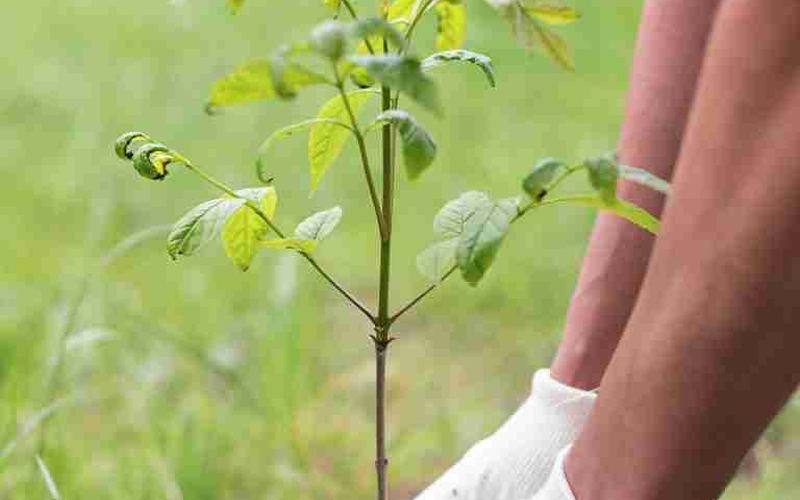
Planting a new tree is an exciting and rewarding way to bring more life into your yard. For years to come it will provide shade, beauty and environmental benefits. However, newly planted trees are vulnerable as they establish themselves, especially in Queensland’s unpredictable climate. Read this blog post on how to give your tree the best start possible.
1. Choose the Right Tree for Your Location
Before planting, ensure the tree species suits Queensland’s warm climate and soil conditions. Native trees such as the Bottle Tree, Lemon-scented Gum, and Lilly Pilly are excellent choices as they are well-adapted to local weather and require less maintenance.
2. Proper Planting Techniques
- Dig the hole so it is twice as wide as the root ball but no deeper. This allows the roots to spread easily.
- Keep the tree at the same depth it was in the pot it came in. Planting too deep can suffocate the roots.
- Use the original soil (not compost) to backfill, as this helps the tree adjust to its environment.
3. Watering Schedule
Queensland’s hot climate means regular watering is essential. For the first few weeks, make sure to water daily, especially if it is particularly hot or dry. Reduce that to 2-3 times a week, depending on rainfall, for about six months. From there on, a deep water once a week during dry periods is about all you should need. Always check the soil moisture before watering to make sure you don’t overdo it.
4. Mulching for Moisture Retention
Apply a 5-10cm layer of mulch around the base of the tree, but keep it a few centimetres away from the trunk to prevent rot. Organic mulch, such as wood chips or bark, helps retain moisture, suppress weeds, and regulate soil temperature.
5. Staking (If Needed)
Staking is only necessary if your tree is in a windy location or has a weak trunk. Use soft ties to secure the tree to stakes, allowing some movement for natural strengthening. Remove stakes after 6-12 months to prevent girdling.
6. Fertilising Wisely
- For the first year, use a slow-release, low-phosphorus fertiliser sparingly. Too much fertiliser can damage young roots by causing excessive growth before the root system is established. Apply fertiliser in small amounts during the growing season and avoid fertilising in extreme heat.
- After the tree is established, apply native plant fertiliser seasonally to promote strong growth. Choose a fertiliser with balanced nutrients to encourage healthy foliage and root development. Organic options like compost or seaweed solutions can provide a gentle, steady supply of nutrients.
7. Pruning for Healthy Growth
- Remove dead or damaged branches to prevent disease and allow the tree to focus its energy on healthy growth.
- Avoid heavy pruning in the first year as the tree needs its foliage to establish a strong root system. Only trim when necessary.
- Shape the tree gradually as it grows. Light pruning over time helps maintain a balanced structure and encourages healthy branching. Avoid cutting off too many lower branches, as these contribute to overall stability.
8. Protecting Against Pests and Diseases
New trees can be vulnerable to pests like borers, aphids, and scale insects. Regularly inspect leaves and stems for signs of damage, such as discolouration, holes, or sticky residue. If needed, use eco-friendly pest control methods like neem oil or beneficial insects (e.g., ladybirds) to keep infestations under control.
Fungal diseases can also affect new trees, particularly in humid conditions. To prevent issues, ensure proper airflow around the tree, avoid overhead watering, and remove any diseased leaves or branches promptly.
9. Monitoring and Long-Term Care
- Regularly check soil moisture levels by digging a small hole near the root zone to feel the soil. If it’s dry below the surface, it’s time to water.
- Adjust watering frequency based on weather conditions. During extended dry spells, increase watering. Reduce watering in the wet season to prevent root rot.
- Continue mulching and fertilising as needed. Replenish mulch as it decomposes and adjust fertiliser applications based on the tree’s growth and health.
By following these steps, your new tree will thrive in Queensland’s conditions, growing strong and healthy for years to come. If you ever need assistance, consulting a professional arborist can help ensure your tree gets the best care possible.
Need tree care advice?
Contact Tree Problem No Problem for expert tree maintenance and services in the Redlands!