Pruning trees and bushes is one of the best ways to keep your garden healthy, tidy, and safe. But done the wrong way, it can stress plants, cause long-term damage, or even kill parts of a tree. The good news is that with the right approach, pruning can actually improve growth, structure, and appearance without harming your plants.
Here’s how to prune properly while protecting your trees and bushes, and when it’s better to call in a professional like Tree Problem No Problem.
Start with a Clear Purpose
Before you cut anything, know why you’re pruning. Different goals require different techniques:
- Removing dead or diseased branches
- Improving shape and structure
- Controlling size or overgrowth
- Allowing more sunlight and airflow
- Preventing branches from interfering with buildings or powerlines
Pruning without a purpose often leads to over-cutting, which is one of the most common causes of plant damage.
Use the Right Tools (and Keep Them Sharp)
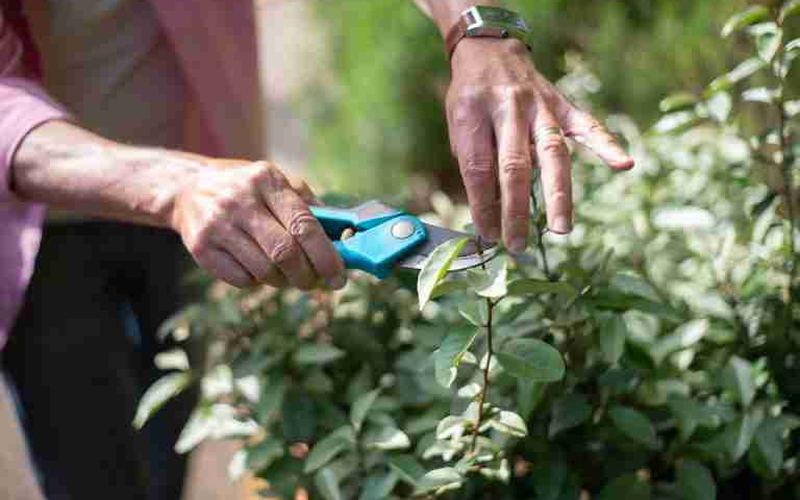
Dull or incorrect tools can tear bark and leave jagged cuts that invite disease.
Basic pruning tools include:
- Hand pruners for small branches
- Loppers for medium branches
- Pruning saws for thicker limbs
Always make sure tools are clean and sharp before you start. Dirty tools can spread disease between plants.
Don’t Remove Too Much at Once
A common mistake is over-pruning in a single session. As a general rule:
- Never remove more than 20–30% of a tree’s canopy at one time
- For bushes and hedges, trim gradually instead of cutting back heavily in one go
Over-pruning can shock the plant, slow growth, and make it more vulnerable to pests and disease.
Cut in the Right Place
Where you cut matters just as much as what you cut.
- Always cut just outside the branch collar (the swollen area where the branch meets the trunk)
- Avoid cutting flush against the trunk
- Don’t leave long stubs sticking out
Correct cuts help the plant heal faster and reduce the risk of rot or infection.
Avoid “Topping” Trees
Topping (cutting off the top of a tree to reduce height) is one of the most damaging pruning practices. It can:
- Weaken the tree’s structure
- Lead to weak, fast-growing shoots
- Increase risk of branch failure in storms
If a tree is too tall or large, it’s better to reduce it gradually or have it assessed by a professional.
Prune at the Right Time
Timing makes a big difference:
- Most trees: late winter or early spring (before new growth starts)
- Flowering trees: prune after they bloom
- Bushes: depends on species, but avoid heavy pruning during extreme heat or drought
Pruning at the wrong time can reduce flowering, stunt growth, or stress the plant.
Step Back and Check Your Work
It’s easy to get carried away when you’re close to the plant. Regularly step back and look at the overall shape.
Ask yourself:
- Does it look balanced?
- Have I removed too much from one side?
- Is the natural shape still intact?
This helps prevent uneven or excessive pruning.
Know When to Call a Professional
Some jobs are better left to experts, especially when:
- Trees are tall or near powerlines
- Large branches need removal
- You’re unsure what to cut
- The tree shows signs of disease or instability
Never prune near powerlines yourself. Contact Energex about trees growing into the powerlines, or a qualified arborist for trees near the line to your house.
Professional arborists have the equipment and experience to prune safely without damaging the tree or your property.
Final Thoughts
Pruning trees and bushes the right way keeps your garden healthy, safe, and looking its best. The key is to prune with care, use the right tools, and avoid removing too much at once.
FAQs
How often should trees and bushes be pruned?
Most trees benefit from pruning every 1–3 years, while hedges and bushes may need light trimming once or twice a year.
Can pruning kill a tree?
Yes, if too much is removed or cuts are made incorrectly, pruning can seriously damage or kill a tree.
What is the best time of year to prune?
Late winter to early spring is generally best for most trees in Australia, but it depends on the species.
Is it better to prune lightly or heavily?
Light, regular pruning is always better than heavy cutting done infrequently.
Should I hire a professional for pruning?
Yes, especially for large trees, difficult access areas, or if you’re unsure how much to remove.