Trees and bushes don’t stay neat on their own. Left alone, they grow in all directions, get heavy in the wrong places, and start competing for light, space, and nutrients. Pruning is what keeps everything under control, but it’s not just about making your garden look tidy. It plays a big role in keeping plants healthy, safe, and well-shaped over time.
Read this blog post to learn why pruning bushes and trees is essential for plant health, when it becomes necessary, and when it’s best to get it done professionally.
Why Pruning Matters for Plant Health
Pruning helps trees and bushes stay strong by removing dead, damaged, or diseased growth. This stops problems from spreading and allows the plant to put its energy into healthy branches.
It also improves airflow and sunlight penetration through the canopy. Without proper airflow, moisture can build up, creating the perfect conditions for fungus, pests, and disease.
In simple terms, regular pruning helps plants grow in a healthier, more balanced way.
How Pruning Encourages Better Growth
When done correctly, pruning actually stimulates new growth. Removing overcrowded or weak branches allows the plant to redirect energy into stronger, more productive areas.
For bushes, this often means a fuller, more controlled shape. For trees, it helps maintain a stable structure and reduces the risk of heavy limbs breaking under their own weight.
Safety and Property Protection
Overgrown branches aren’t just a garden issue. They can become a safety risk if they start hanging over roofs, driveways, or walkways.
Pruning reduces the chance of falling branches during storms and helps keep growth away from structures, powerlines, and fences. It’s one of the simplest ways to prevent avoidable property damage.
When You Should Prune Trees and Bushes
There are a few clear signs it’s time to prune:
- Branches are dead, dry, or broken
- Growth is blocking sunlight or access
- Trees or bushes are growing too close to buildings
- The plant looks uneven or overgrown
- You notice signs of disease or pest activity
If you’re seeing any of these, pruning isn’t just for appearance anymore, it’s for plant health and safety.
DIY Pruning vs Professional Pruning
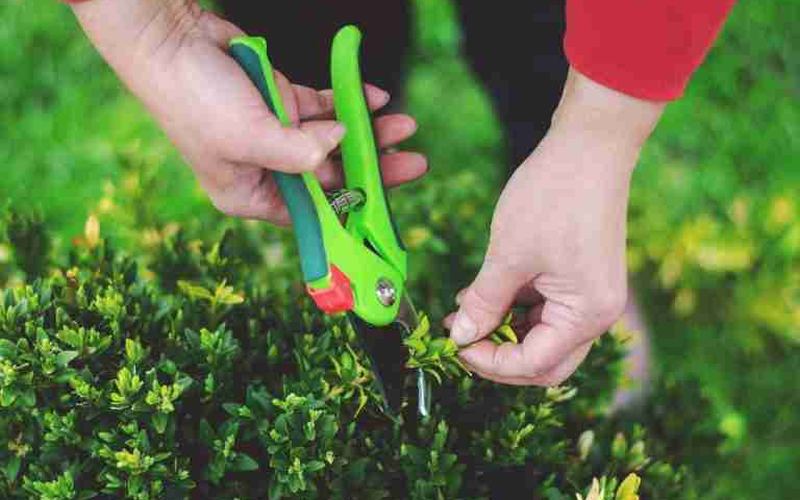
Small shrubs and light trimming can often be handled yourself with the right tools. But when it comes to larger trees, thick branches, or anything close to structures, it becomes a different job entirely.
Professional pruning ensures the cuts are made correctly, which is important for the long-term health of the plant. Poor pruning can damage growth patterns, weaken branches, or even shorten the life of a tree.
If you’re unsure, or if the job feels too large or risky, that’s usually the point where a professional should step in.
When You Need a Professional
You should consider calling in experts if:
- Trees are tall or difficult to access
- Large branches need to be removed
- There’s a risk of damage to property or powerlines
- Plants are overgrown and hard to manage safely
- You want to ensure long-term health and proper shaping
Professional pruning isn’t just about convenience. It’s about doing the job safely and correctly so the plant continues to thrive.
Contact Tree Problem No Problem
If your trees or bushes are getting out of control, or you want them pruned properly for long-term health and safety, Tree Problem No Problem can help. Our team can assess your garden, recommend the right approach, and carry out professional pruning that keeps your property safe and your plants healthy.
FAQs
Why is pruning important for trees and bushes?
Pruning removes dead or unhealthy growth, improves airflow, encourages strong new growth, and helps maintain plant structure and safety.
How often should trees and bushes be pruned?
It depends on the species and growth rate, but most trees and bushes benefit from pruning at least once a year or as needed for safety and shape.
What is the best time of year for pruning?
Many trees are best pruned during dormant seasons, but timing can vary depending on the plant type and condition.
Can pruning improve plant health?
Yes. Proper pruning reduces disease risk, improves sunlight exposure, and allows the plant to focus energy on healthy growth.
When should I hire a professional for pruning?
You should hire a professional when trees are large, hard to access, close to structures, or when safety or plant health could be at risk.