The short answer
What pruning is
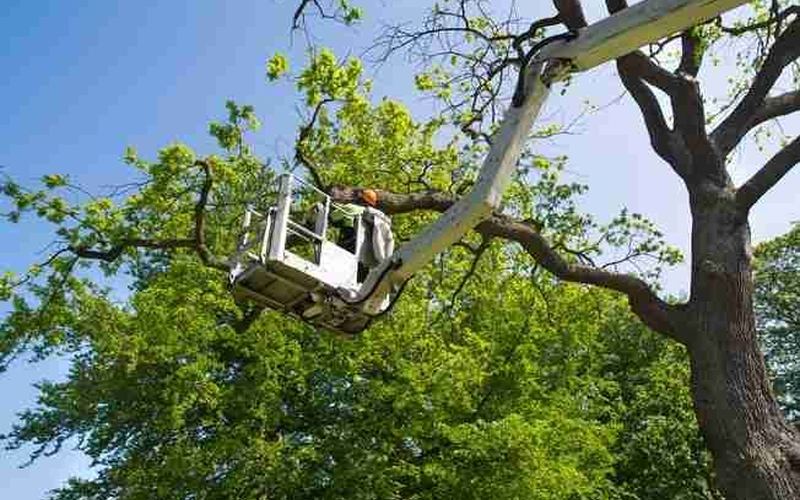
Pruning is selective. Each cut takes off a particular branch for a reason: it’s dead, it’s rubbing on another branch, it hangs over the roof or the gutters, or it makes the tree heavy on one side. The cut is made at the right point on the branch so the tree can seal the wound over.
Common kinds of pruning on Redlands properties:
- Deadwooding: taking out dead branches before they fall.
- Clearance pruning: lifting branches off the roof, the driveway or the neighbour’s side of the fence.
- Crown reduction: making the canopy smaller by cutting back to suitable side branches, so the tree keeps its shape.
- Crown thinning: removing some inner branches so wind and light pass through.
What lopping means
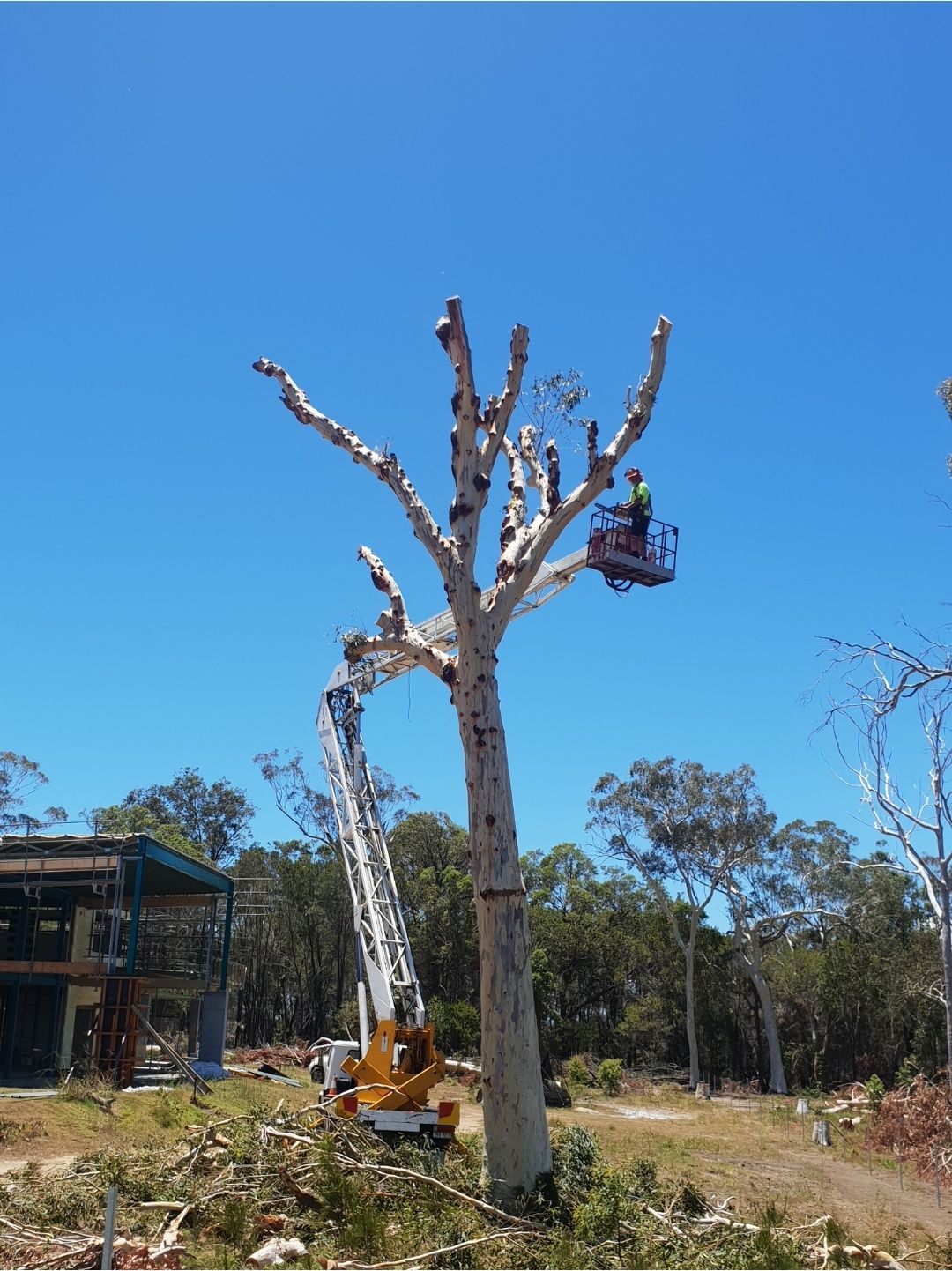
Strictly, lopping (and its cousin, topping) means cutting branches or the main stem back to a stub, wherever the size needs to come down, without regard to where the tree would naturally shed a branch.
Australian Standard AS 4373-2007 Pruning of amenity trees lists lopping and topping among unacceptable pruning practices. Councils that publish tree guidance explain why: the tree answers with lots of fast, upright shoots that are weakly attached, the stubs are prone to decay, and the regrowth can be more likely to fail in a storm than the branch it replaced.
Side by side
| Pruning | Lopping (strict sense) | |
|---|---|---|
| Aim | Healthy, safe tree that keeps its shape | A smaller tree, quickly |
| Where the cut goes | At a branch union or the branch collar | Wherever the size needs to come down, leaving stubs |
| Regrowth | Slow and natural | Fast, upright shoots that are weakly attached |
| Long term | Less work over the years | More decay risk and more follow-up work |
Which does your tree need?
Most calls we get for “lopping” are really one of these:
- A branch over the roof or the power line: clearance pruning takes it back to a sound point.
- A tree that has got too big for the yard: a crown reduction, or, if the tree is in the wrong spot for good, removal.
- Dead branches after a dry spell or a storm: deadwooding, and a look at whether the tree is still safe.
Before you cut: Redland City Council treats deadwood removal, canopy lifts, reductions and thinning as normal tree care, done to AS 4373 and ideally by a qualified arborist. Work that could damage a protected tree needs Council approval. See our guide to Redland City Council tree rules. We check this at the quote and can handle it for you.
Questions
Will pruning kill my tree?
Done well, no. Removing too much at once or making poor cuts can stress a tree, which is why it pays to have a qualified arborist decide what comes off.
Why do people still say “lopping”?
It’s the everyday Australian word for tree cutting. Search for “tree lopping” and you’ll find arborists who mostly prune.
Can you make a tree smaller without lopping it?
Often, yes. A crown reduction cuts back to suitable side branches so the tree is smaller but keeps a natural shape.
Sources
- Standards Australia, AS 4373-2007 Pruning of amenity trees (product listing: unacceptable practices include lopping and topping).
- Redland City Council, Trees on private property.
- Scenic Rim Regional Council, Tree work or removal on council-managed land.