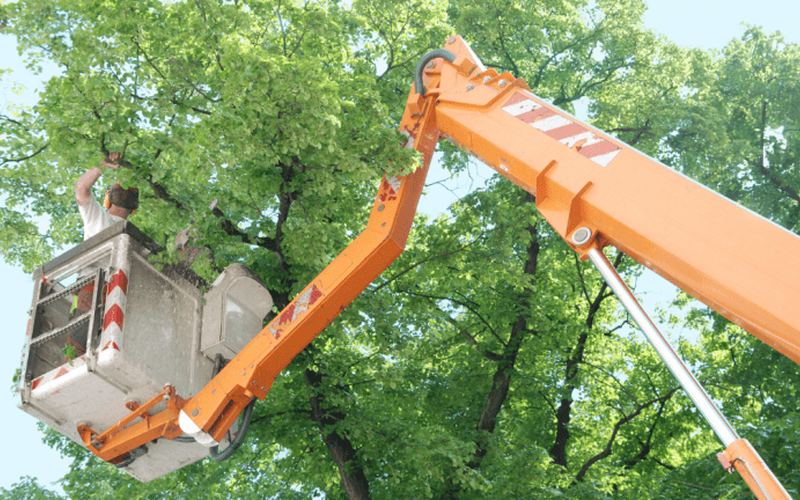
There are a few things to consider when trying to determine the best frequency for trimming trees. The type of tree, the age of the tree, and the location of the tree are all important factors. With that said, read this blog post to help you figure out how often you should trim your trees.
Why should you trim trees?
Regularly trimming trees can help them stay healthy, promote new growth, and maintain their natural shape. It also helps to remove any dead or damaged branches that may cause harm to the tree or your property. In addition, regular trimming can add aesthetic value to your landscape, making it look better and creating a more inviting space. Lastly, trimming can also help to discourage unwanted pests and fungus from taking root in your garden, as well as reducing the potential damage caused by careless over-trimming.
Overdoing the trimming can cause significant stress to a tree and weaken its structure. To get the balance right, some species will require trimming every few years, while for others great care must be taken in deciding when and where a trim is needed. In general, you should keep an eye on your tree’s growth over time and be sure to prune away dead or damaged branches as they appear.
Things to consider before trimming your trees:
Type of Tree:
- Deciduous trees, which drop their leaves each year, are generally best trimmed in late winter or early spring.
- Evergreen trees can generally be trimmed at most times of year, but the best timing depends on the species, so check with an arborist first.
Location of Tree
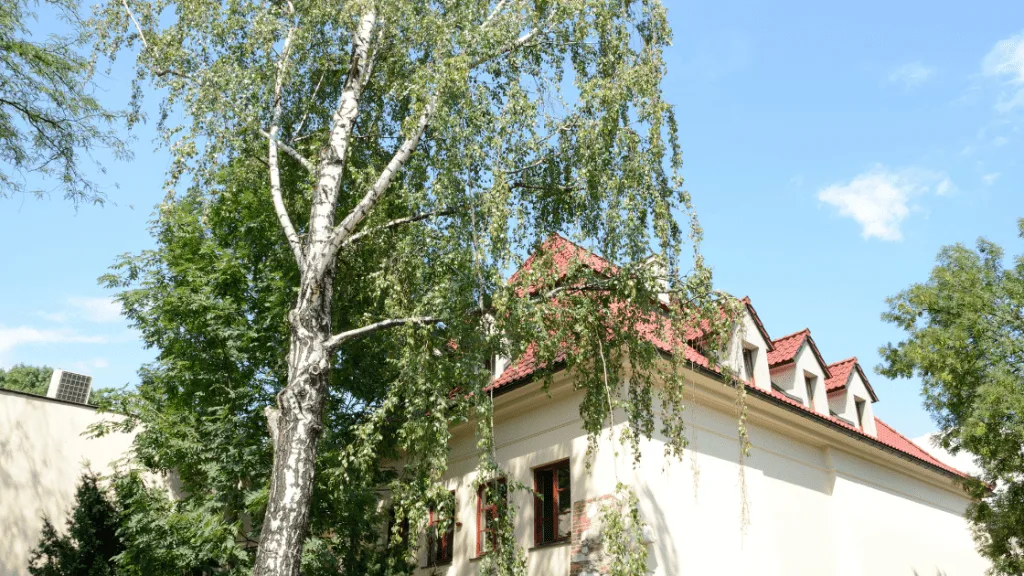
- Trees located next to buildings or power lines will need more frequent trimming than those in open spaces.
- This is because there is a greater risk for damage if branches fall on structures or power lines. Never trim near powerlines yourself: Energex trims trees around its powerlines in the street, and for trees near the line to your house call Energex or a qualified arborist first.
How to trim trees:
- Start by assessing the tree and determining which branches need to be trimmed. Look for limbs that are dead, diseased, damaged, or crossed.
- Before you start trimming, make sure to wear safety glasses and gloves for protection.
- When cutting branches, use pruning shears or saws depending on the size of the branch. Make sure to cut just outside the branch collar, without leaving a stub.
- Rake up any debris from under the tree and dispose of it properly.
- Lastly, there is no need to seal or paint cuts: a clean cut at the collar heals best.
How often should you trim young trees?
- For young trees, regular pruning plays a key role in their development and helps to shape the tree’s form whether it be an ornamental pear, cherry or fruit tree.
- It’s generally recommended that young trees are trimmed every 2-3 years.
How often should you trim mature trees?
- Mature trees however should be pruned less frequently, about once every 5-10 years.
- Although mature trees may not need trimming as often as when they were younger, regular pruning still helps to provide structure and general maintenance which is essential for keeping your mature garden healthy and beautiful.
Should you trim damaged or sick trees?
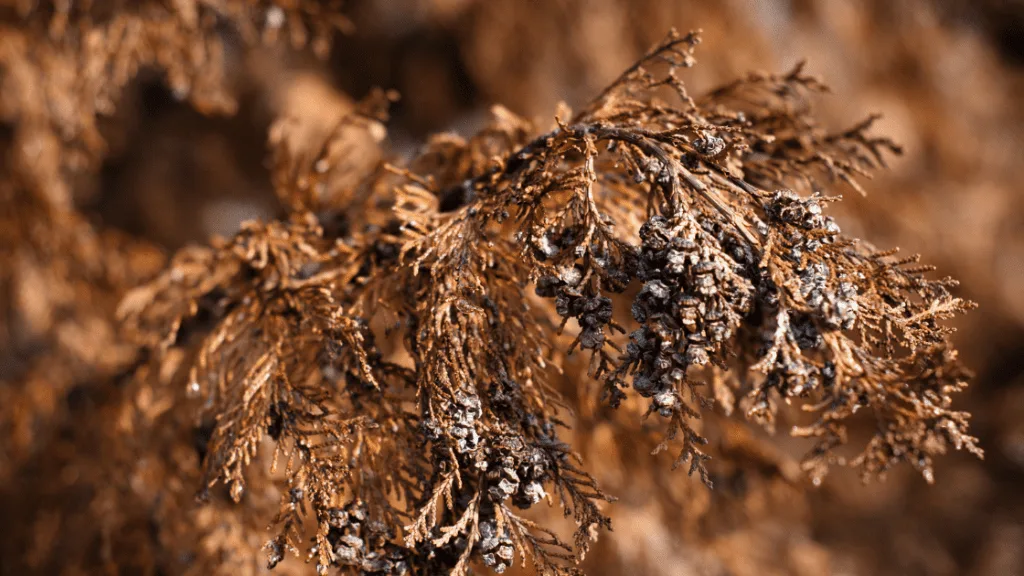
- If your tree is suffering from damage or disease, keeping it trimmed is essential to its health.
- Regularly pruning away diseased and dead branches helps alleviate the impact of the illness on the tree and can assist in the recovery process.
- In many cases, trimming a tree more frequently than usual is beneficial for those with damaged or diseased trees.
- Be sure to consult with a certified arborist before making any changes so that you understand how best to maintain your tree’s health.
Following these steps when trimming your trees will help keep them healthy and looking their best! With proper care, you should be able to maintain your trees for years to come. And remember to always contact a professional arborist if you have any questions or concerns about trimming your trees.
Attempting to manage the task on your own may put you and your property in danger of liability, injury, and damage; hiring a certified tree arborist helps make sure that everything is done with the utmost care and precision, preventing disastrous consequences. An experienced professional can determine the best schedule for pruning and ensure your trees are healthy and thriving.